Announcements
Who Gets to Play: twenty-seven researchers have agreed to come on the podcast
The first two conversations are recorded. Between them, the guests study almost every reason a child ends up on the ice or off it.

Two arenas, four days, and five hundred and seventy-six pieces of equipment that went home with a child and did not come back.
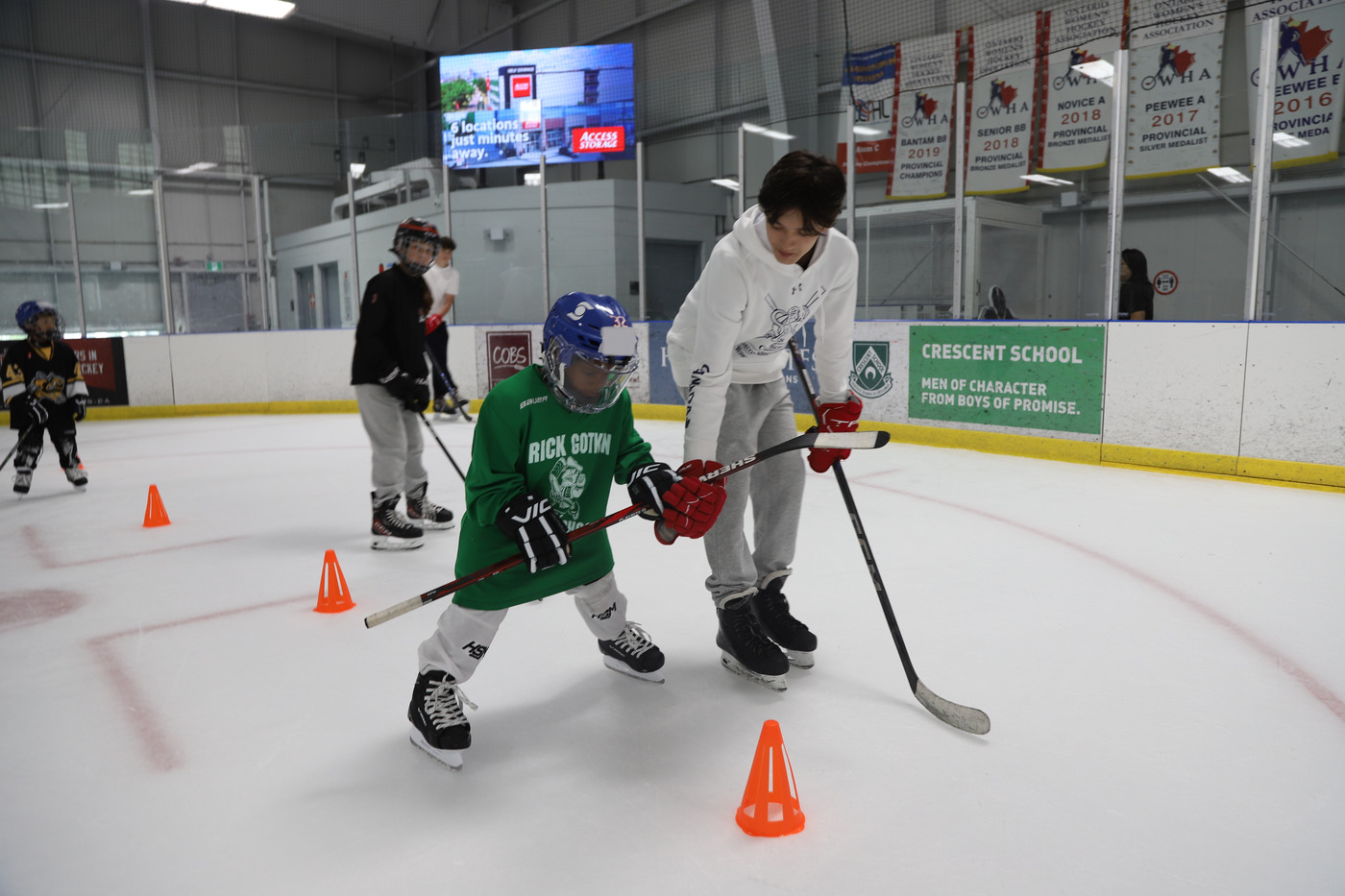
Toronto, Ontario. The summer camp ran from Tuesday 4 August to Friday 7 August at two arenas: Leaside Memorial Community Gardens on the Dr. Tom Pashby rink, and Ted Reeve Community Arena in the east end. Two ninety minute ice sessions a day, a free lunch from Pizza Pizza every day, and a full set of equipment for every camper to keep.
The first morning did not go to plan. Registration and gear fitting took the whole of it, which meant children who had come to skate spent their first hour in a lobby. Some of them played ball hockey in the corridor instead. It is the part of the week we would most like back, and the fix is straightforward: gear goes out the week before, not on the morning.
By the Thursday afternoon the thing we are actually here for had happened. Children who could not stand up on Tuesday were skating the length of the ice without falling. That is not a statistic we can put in a grant application, and it is the only one that matters.
What it cost, in full, and what changed, are both published. So is the part that went wrong.
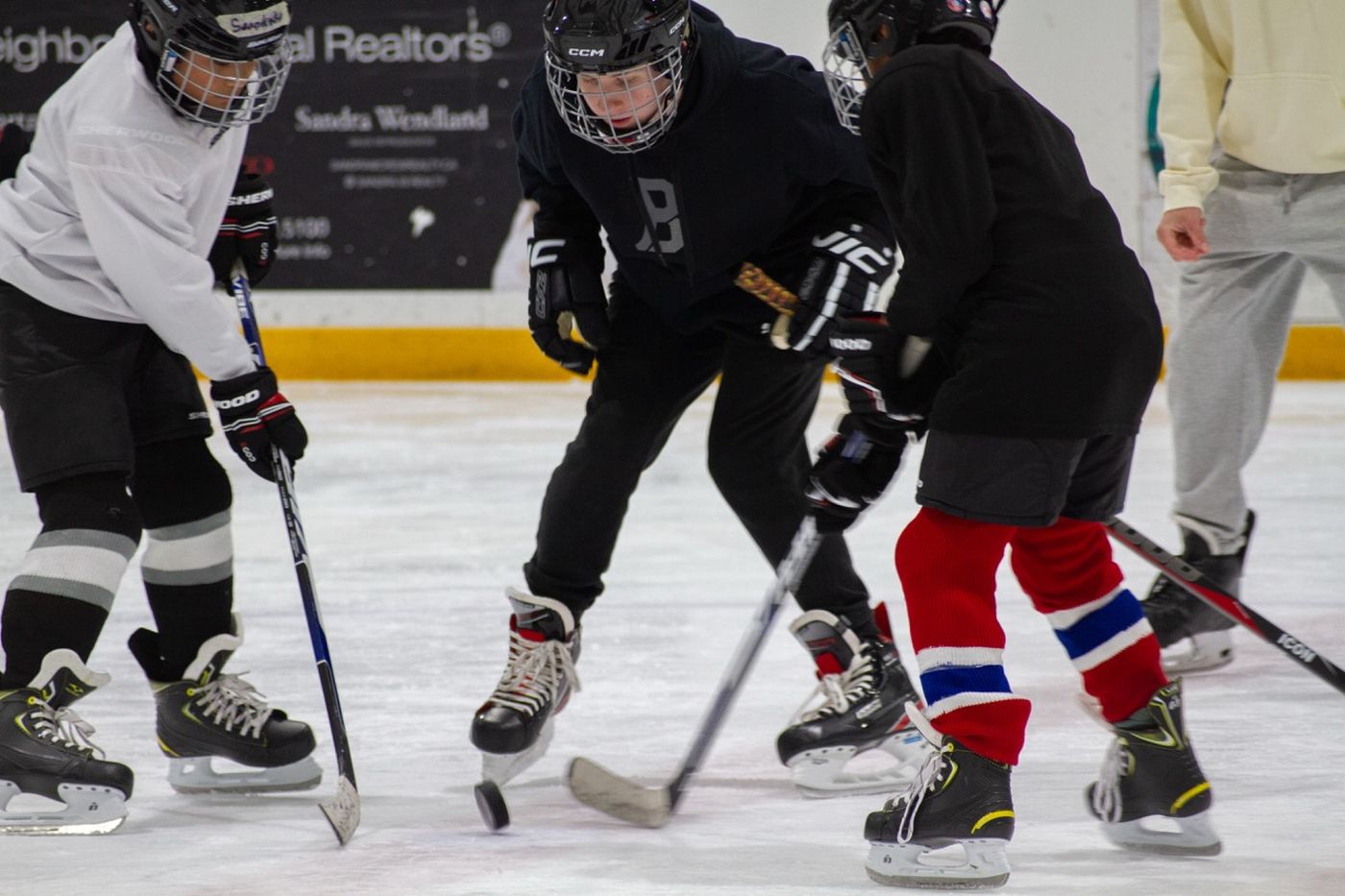
Everybody started like this.
The first two conversations are recorded. Between them, the guests study almost every reason a child ends up on the ice or off it.
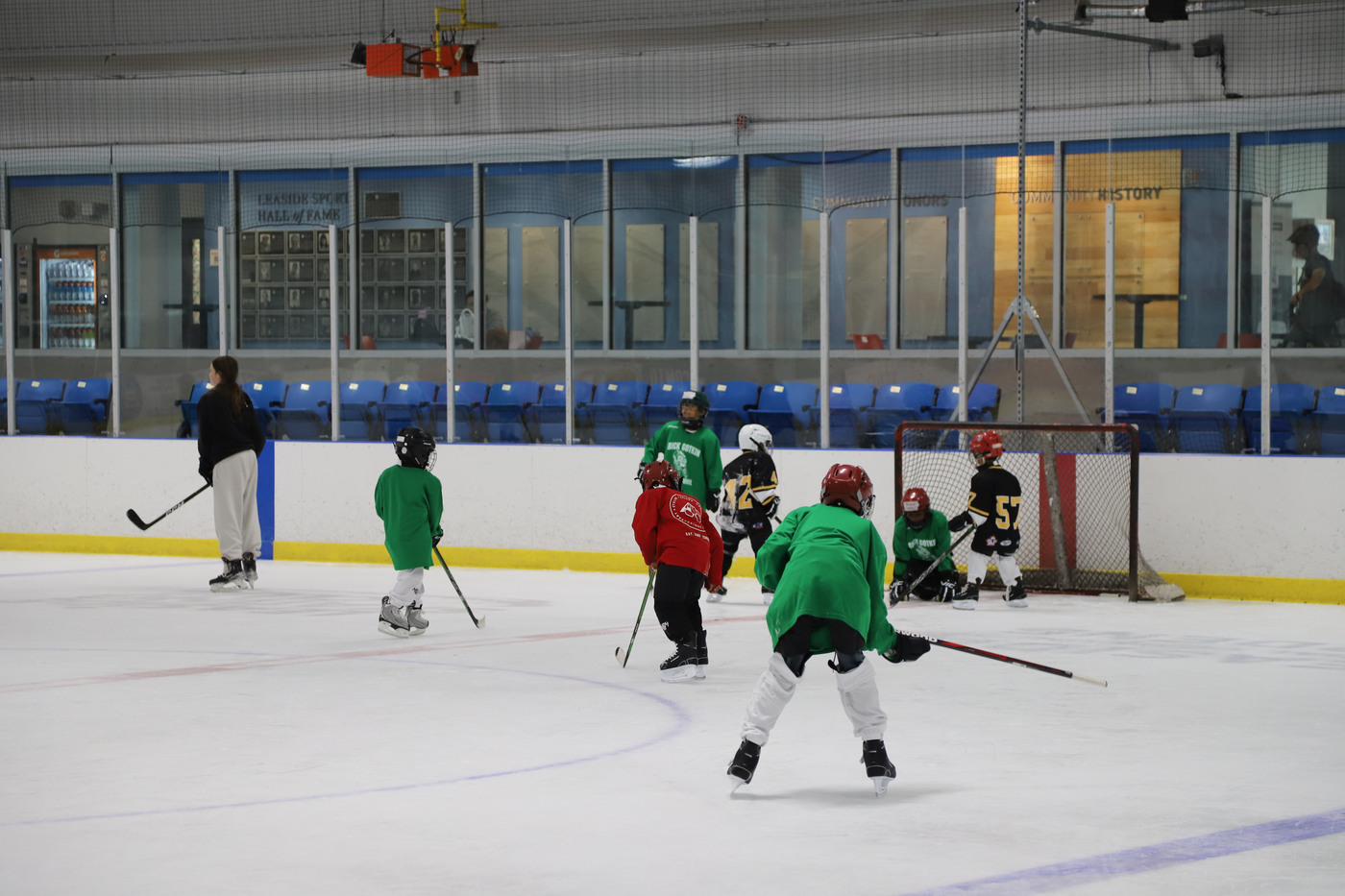
North Toronto Memorial Arena and Upper Canada College’s Wilder Arena join Leaside and Ted Reeve, taking the programme to four locations across the city.
Two organisations, one in the classroom and one at the rink, exploring a pathway that carries a student from a school assembly to a pair of skates.
Text size
Appearance
Contrast
Motion